


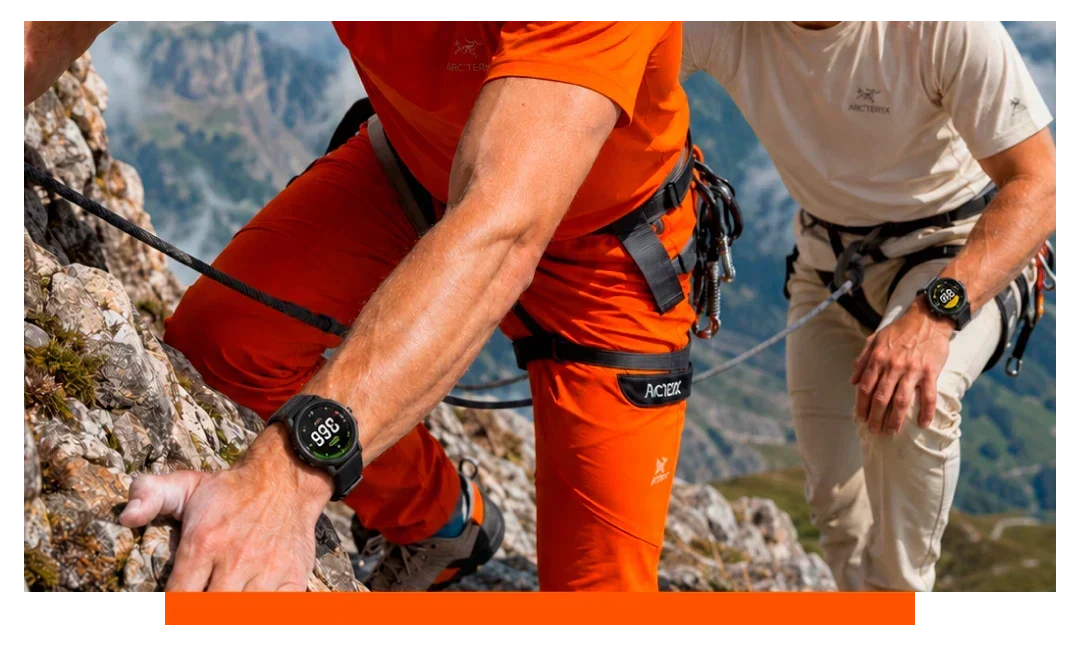
Suunto Race 2 vs Suunto Run: Which Sports Watch Should You Choose?
Suunto has been one of the leading names in sports watches and outdoor wearables for many years. The Finnish brand is particularly popular with athletes and outdoor enthusiasts looking for far more than a basic smartwatch. With accurate training metrics, comprehensive sports tracking and powerful outdoor features, Suunto has earned a strong reputation in the premium sports watch market.
With the introduction of the Suunto Run and the Suunto Race 2, Suunto has added two compelling models to its range. While both watches share many of the brand's core features, they are designed for different types of users.
The Suunto Run has been developed specifically for runners who want a lightweight, comfortable and affordable sports watch. Its focus is on running performance, offering a wide range of training features in an exceptionally light design that's comfortable enough to wear every day.
The Suunto Race 2, on the other hand, sits higher up in the range and is aimed at more dedicated athletes. It combines premium materials with more advanced sports features, improved navigation and additional capabilities for outdoor activities such as trail running, cycling and endurance sports.
So, which Suunto watch is the better choice for you?
In this in-depth comparison, we'll take a closer look at the Suunto Run and the Suunto Race 2, comparing their display, design, battery life, sensors, health features, sports tracking, smartwatch functionality and, of course, value for money.
Specifications at a Glance
| Feature | Suunto Run | Suunto Race 2 |
|---|---|---|
| Type | Running sports watch | Premium multisport smartwatch |
| Display | AMOLED | LTPO AMOLED |
| Display Size | 1.32-inch | 1.5-inch |
| Resolution | 466 × 466 pixels | 466 × 466 pixels |
| Touchscreen | Yes | Yes |
| Always-On Display | Yes | Yes |
| GPS | Built-in GPS | Built-in GPS |
| Dual-band GPS | Yes | Yes |
| Heart Rate Monitoring | Yes | Yes |
| SpO₂ Monitoring | Yes | Yes |
| Sleep Tracking | Yes | Yes |
| Water Resistance | 50 metres | 100 metres |
| Weight | Ultra-light (approx. 36g) | Heavier (approx. 76g) |
| Battery Life | Up to around 12 days | Up to around 16 days |
| Sports Modes | Extensive sports profiles | Over 115 sports modes |
| Navigation | Basic navigation features | Advanced navigation with offline maps |
| Materials | Lightweight construction | Premium materials |
The biggest differences between these two watches come down to how you intend to use them.
The Suunto Run is designed primarily for runners. It's lightweight, comfortable and includes all the essential features needed for training sessions and race day.
The Suunto Race 2 is a more complete multisport watch. It's built for athletes who participate in multiple sports and want more detailed training insights, advanced navigation and a more premium overall experience.
Display
One of the first differences you'll notice between the Suunto Run and the Suunto Race 2 is the display.
The Suunto Run features a bright AMOLED display designed specifically for sports use. It delivers sharp visuals, vibrant colours and excellent brightness, making it easy to read your workout data, even during intense training sessions.
The display is ideal for viewing key running metrics such as:
- Pace
- Distance
- Heart rate
- Workout duration
- Lap times
Its compact screen size also helps keep the watch exceptionally lightweight and comfortable during longer runs.
The Suunto Race 2 features a larger LTPO AMOLED display. The additional screen space allows more information to be shown at once, while also giving the watch a more premium smartwatch feel.
The larger display is particularly beneficial for:
- Viewing detailed training metrics
- Navigating with offline maps
- Reading smartphone notifications
- Using menus
- Analysing workout data
The difference becomes especially noticeable during long training sessions and outdoor adventures. The Race 2 can display significantly more information on a single screen, reducing the need to scroll through multiple pages while exercising.
The LTPO AMOLED panel also offers excellent brightness and improved power efficiency, contributing to a more refined viewing experience.
The Suunto Race 2 is the clear winner when it comes to display quality. Its larger, more advanced screen makes the watch more versatile and better suited to athletes who like to access detailed information during workouts.
That said, the Suunto Run remains an excellent choice for runners who prefer a compact, lightweight sports watch that focuses on the essentials.
Design
Although both watches share Suunto's recognisable design language, they have very different priorities.
The Suunto Run has been designed with comfort above all else. It's exceptionally lightweight and barely noticeable on the wrist, making it ideal for users who:
- Train for long distances
- Wear a sports watch every day
- Sleep with their watch on
- Primarily focus on running
Its low weight makes it particularly comfortable during long training sessions and races.
The Suunto Race 2, by contrast, offers a noticeably more premium design. Its larger case, higher-quality materials and robust finish give it the look and feel of a high-end multisport watch.
As a result, the Race 2 is better suited to users looking for a single watch that performs equally well during workouts and everyday wear.
Its design is particularly appealing to:
- Trail runners
- Outdoor enthusiasts
- Serious athletes
- Users who value premium styling
The difference between the two models is clear:
- Suunto Run: Maximum comfort and minimal weight for dedicated runners.
- Suunto Race 2: Premium design and a more rugged build for versatile multisport athletes.
If comfort and low weight are your top priorities, the Suunto Run comes out on top. If you prefer a more premium look and feel, the Suunto Race 2 is the stronger choice.
Battery Life
Battery life is one of the most important aspects of any sports watch. Whether you're a runner, trail runner or outdoor enthusiast, it's reassuring to know your watch can handle long training sessions without constantly needing to be recharged.
The Suunto Run delivers impressive battery life thanks to its lightweight design and energy-efficient hardware.
Under normal daily use, the battery lasts for around 12 days. Naturally, battery life is reduced when using GPS during workouts, with the exact duration depending on your settings and which features are enabled.
This makes the Suunto Run well suited to:
- Daily training sessions
- Running races
- Regular use without frequent charging
The Suunto Race 2 features a larger battery and has been designed for more demanding use.
Thanks to its efficient LTPO AMOLED display and increased battery capacity, it offers longer battery life in smartwatch mode and is better equipped for extended activities.
The Race 2 particularly comes into its own during:
- Long-distance training sessions
- Multi-day adventures
- Outdoor activities
- Intensive GPS use
The difference between the two models is exactly what you'd expect. The Suunto Run focuses on simplicity and low weight, while the Suunto Race 2 packs in more features alongside a larger battery.
For everyday use, both watches offer excellent battery performance.
The Suunto Race 2 takes the lead for serious athletes who regularly tackle long training sessions or endurance events. However, the Suunto Run remains remarkably efficient thanks to its lightweight design.
Sensors
Both the Suunto Run and the Suunto Race 2 come equipped with a comprehensive range of sensors. They're significantly more capable than a standard fitness tracker and are designed to provide accurate data for serious training.
The Suunto Run includes:
- Optical heart rate sensor
- SpO₂ sensor
- Accelerometer
- Gyroscope
- Digital compass
- GPS
These sensors allow the watch to accurately track key workout metrics such as speed, distance, heart rate and route data.
The Suunto Race 2 offers an even more advanced sensor package, making it better suited to athletes who want the most detailed training insights possible.
It includes:
- Advanced optical heart rate monitoring
- SpO₂ sensor
- Barometer
- Altimeter
- Digital compass
- Dual-band GPS
- Enhanced motion sensors
The combination of highly accurate GPS, altitude tracking and advanced navigation makes a significant difference for outdoor activities.
If you regularly enjoy trail running, mountain hiking or endurance events, the Race 2 offers a clear advantage.
The Suunto Run is more than capable for running and everyday sports tracking.
The Suunto Race 2 comes out ahead thanks to its more comprehensive sensor package and stronger support for demanding outdoor and multisport activities.
Health Features
Health and recovery tracking have become increasingly important in modern sports watches. Both the Suunto Run and the Suunto Race 2 provide valuable insights into your daily activity, training and recovery.
Both models include features such as:
- Continuous heart rate monitoring
- Sleep tracking
- Daily activity tracking
- Calorie tracking
- Recovery insights
- Training load monitoring
The Suunto Run is primarily aimed at runners who want a clear overview of their workouts and recovery.
It helps users to:
- Monitor training intensity
- Track performance improvements
- Plan recovery more effectively
The Suunto Race 2 goes a step further by offering more detailed performance analysis, making it a better choice for athletes looking to optimise their training.
Its larger display and more advanced sports features provide deeper insights into:
- Training load
- Recovery status
- Long-term fitness trends
- Performance over time
For athletes training several times a week, these additional insights can be particularly valuable.
Both watches perform well when it comes to health tracking, but the Suunto Race 2 delivers the more complete experience thanks to its richer performance analysis and stronger integration with advanced training metrics.
Sports Features
Sports tracking is where both the Suunto Run and the Suunto Race 2 truly shine. Both watches are designed for active users and support a wide variety of sports profiles.
Supported activities include:
- Running
- Trail running
- Walking
- Cycling
- Swimming
- Triathlon
- Gym workouts
- Strength training
- Skiing
- Outdoor activities
The Suunto Run is primarily focused on runners.
It includes comprehensive features for:
- Running workouts
- Interval training
- Pace analysis
- Heart rate zones
- Training targets
- Recovery guidance
For recreational runners and dedicated runners looking to improve their performance, these features are more than sufficient.
The Suunto Race 2 is designed with multisport athletes and outdoor enthusiasts in mind.
Its more advanced feature set makes it better suited to:
- Endurance training
- Trail running
- Mountain sports
- Navigation
- Combining multiple sports
The larger display is another significant advantage. During workouts, it's easier to view multiple data fields simultaneously without constantly switching between screens.
For runners looking for a lightweight watch with a strong focus on running, the Suunto Run is an excellent choice.
Those who regularly take part in multiple sports or want the most advanced training features will find the Suunto Race 2 the stronger option.
The Suunto Race 2 is the better all-round choice for serious multisport athletes and outdoor enthusiasts, while the Suunto Run excels as a dedicated running watch.
Smartwatch Features
Although Suunto is best known for its sports watches, both models also include a range of smartwatch features for everyday use.
The Suunto Run offers the essential smart features most users expect, including:
- Smartphone notifications
- Music controls
- Customisable watch faces
- Weather updates
- Basic smartphone integration
That said, the Suunto Run is very much a sports watch first and foremost. It's designed to support your training rather than replace a fully featured smartwatch.
The Suunto Race 2 delivers a more complete smartwatch experience.
Additional features include:
- Greater customisation options
- More advanced notifications
- A wider selection of watch faces
- Enhanced navigation features
- Deeper sports and outdoor integration
Thanks to its larger AMOLED display, the Race 2 also feels much closer to a premium smartwatch in everyday use.
Even so, Suunto remains positioned differently from brands such as the Apple Watch and Samsung Galaxy Watch. The focus is firmly on sport, performance and outdoor adventure, rather than apps and entertainment.
For everyday use, the Suunto Race 2 has the advantage thanks to its larger display and more premium overall experience.
The Suunto Run, however, remains an excellent option for users who simply want a dependable sports watch without unnecessary extras.
Price
Price is one of the biggest differences between the Suunto Run and the Suunto Race 2.
The Suunto Run sits in a more affordable price bracket, making it an attractive option for anyone looking for a reliable sports watch for running and everyday training.
For a lower price, you still get:
- Accurate sports tracking
- Built-in GPS
- Heart rate monitoring
- Training analysis
- Long battery life
- A lightweight design
The Suunto Race 2 is considerably more expensive, but it also offers significantly more features.
The additional cost brings:
- A premium LTPO AMOLED display
- More advanced navigation
- Enhanced outdoor features
- More detailed training analysis
- Higher-quality materials
- A richer smartwatch experience
As a result, the Race 2 is best suited to athletes who use their watch extensively and are happy to invest in additional functionality.
In terms of value for money, the Suunto Run performs exceptionally well. It offers a comprehensive range of sports features without moving into the premium price category.
The Suunto Race 2, meanwhile, is aimed at users who want to get the very best from their training, outdoor adventures and athletic performance.
Approximate Prices
- Suunto Run: around £249
- Suunto Race 2: around £499
Prices may vary depending on the version, colour and current retailer offers.
Where the Suunto Run Has the Advantage
Although the Suunto Race 2 is the more advanced and premium model, the Suunto Run has several strengths of its own. For many runners and users looking for a lightweight, straightforward and affordable sports watch, it may actually be the better choice.
More Affordable
The biggest advantage of the Suunto Run is its price.
Not every athlete needs a premium sports watch with advanced navigation, premium materials and every feature imaginable.
For many users, the essentials are simply:
- Running tracking
- GPS
- Heart rate monitoring
- Training metrics
- Recovery insights
- Long battery life
The Suunto Run delivers all of these features at a significantly lower price than the Suunto Race 2.
This makes it particularly appealing for:
- New runners
- Recreational athletes
- Users looking to improve their performance
- Anyone buying their first serious sports watch
For these users, the Suunto Run offers outstanding value without paying for features they may never use.
Lighter and More Comfortable to Wear
One of the biggest strengths of the Suunto Run is its exceptionally low weight.
Designed specifically with runners in mind, it's incredibly comfortable to wear during both training sessions and everyday life.
You'll notice the difference particularly when you:
- Run long distances
- Train for several hours
- Wear the watch while sleeping
- Prefer the lightest watch possible
For runners, every gram matters. During long or demanding sessions, a lightweight watch feels less distracting and more comfortable on the wrist.
The Suunto Race 2 certainly feels more premium, but its larger case and additional hardware inevitably make it heavier.
Comfort Verdict
When it comes to all-day comfort and lightweight performance, the Suunto Run has a clear advantage.
Designed Specifically for Running
The Suunto Run has a very clear purpose: running.
Where the Race 2 is designed as a versatile multisport watch, the Suunto Run focuses on helping runners improve their training and performance.
Its key strengths include:
- Running-focused training features
- Clear, easy-to-read running metrics
- Lightweight construction
- Straightforward operation
- Everything needed for everyday run training
If running is your main sport and you rarely use advanced outdoor navigation features, the Suunto Run is often the more logical choice.
It gives you all the information you need without overwhelming you with features you may never use.
Easier to Use
More features don't automatically make a watch better for everyone.
The Suunto Run offers a cleaner, more straightforward user experience.
Because it isn't focused on advanced navigation or professional-level performance analysis, the interface remains simple and easy to navigate.
That makes it particularly attractive for users who mainly want to:
- Train regularly
- Monitor their performance
- Track their health
- Measure their progress
The Suunto Run focuses on doing the essentials exceptionally well, without unnecessary complexity.
Where the Suunto Race 2 Has the Advantage
The Suunto Race 2 is the premium model in this comparison and offers several clear advantages over the Suunto Run.
For users who rely heavily on their sports watch and want more than just basic training metrics, the Race 2 is the more capable option.
Larger and Better AMOLED Display
The biggest difference between the two watches is immediately apparent when you look at the display.
The Suunto Race 2 features a larger LTPO AMOLED display, making it easier to:
- View workout data at a glance
- Follow maps and navigation routes
- Navigate menus more comfortably
- Read smartphone notifications
The extra screen space is a real advantage during training, allowing you to see more information without constantly switching between screens.
The Suunto Run certainly offers an excellent display for everyday use, but the Race 2 delivers a noticeably more premium viewing experience.
More Advanced Sports and Training Features
For dedicated athletes, the Suunto Race 2 offers a significant advantage.
Its more comprehensive feature set makes it particularly well suited to:
- Endurance runners
- Trail runners
- Triathletes
- Outdoor enthusiasts
- Athletes following structured training plans
It provides deeper insights into:
- Training load
- Recovery
- Performance
- Long-term training progress
- Routes and navigation
For anyone focused on improving their performance, this additional information can be extremely valuable.
Superior Navigation and Outdoor Features
One of the Race 2's biggest strengths is its emphasis on outdoor activities.
It's particularly well suited to users who enjoy:
- Walking
- Hiking
- Trail running
- Mountain sports
- Exploring new routes
Its advanced navigation tools make it easier to follow routes accurately and stay self-sufficient during longer adventures.
For outdoor enthusiasts, this gives the Race 2 a clear advantage.
Premium Design and Materials
The Suunto Race 2 also has a more refined and premium appearance than the Suunto Run.
Its:
- Larger case
- High-quality display
- Premium finish
- Smartwatch-style design
make it feel equally at home away from training.
It's a watch you can comfortably wear during:
- Work
- Travel
- Social occasions
- Sporting activities
If you're looking for one watch that works well both during workouts and throughout the rest of your day, the Race 2 is the stronger choice.
Suunto Run vs Suunto Race 2: Which Should You Choose?
The right choice ultimately depends on how you plan to use your watch.
Choose the Suunto Run if you:
- Mainly go running
- Want a lightweight sports watch
- Don't need advanced navigation
- Are looking for a more affordable option
- Primarily care about training data
- Value comfort during long runs
The Suunto Run is an excellent choice for runners who want a reliable, purpose-built sports watch without unnecessary complexity.
Choose the Suunto Race 2 if you:
- Want a premium sports watch
- Take part in multiple sports
- Spend a lot of time outdoors
- Need advanced navigation
- Prefer a larger AMOLED display
- Want deeper training insights
- Are looking for one watch for both sport and everyday wear
The Suunto Race 2 is the more versatile option and offers considerably more for serious athletes.
Conclusion: Suunto Run vs Suunto Race 2
Comparing the Suunto Run and the Suunto Race 2 makes one thing clear: Suunto has designed these watches for two different types of user.
The Suunto Run is an excellent sports watch for runners who want to monitor their training, performance and overall fitness. Its lightweight design, straightforward interface and attractive price make it a great choice for a wide range of runners.
The Suunto Race 2, however, is the more complete package. Its larger LTPO AMOLED display, advanced sports features, superior navigation and premium build make it better suited to dedicated athletes and outdoor enthusiasts.
In Summary
For most runners, the Suunto Run is a smart investment. It provides all the essential features needed to improve training and performance without paying for extras you may never use.
However, if you're serious about multisport training, endurance events or outdoor adventures, the Suunto Race 2 is well worth the additional investment.
Ultimately, the best choice isn't simply the watch with the longest feature list—it's the one that best matches the way you train and the features you'll actually use.
Frequently Asked Questions
Is the Suunto Race 2 better than the Suunto Run?
From a technical perspective, yes. The Suunto Race 2 offers more premium features, a larger LTPO AMOLED display, more advanced sports tracking and superior navigation. However, the Suunto Run is lighter and considerably more affordable.
Which Suunto is better for running?
For most runners, the Suunto Run is the better choice. It's lightweight, comfortable and includes all the essential features needed for running training. Runners who regularly take on trail runs or long-distance events may benefit from the additional capabilities of the Suunto Race 2.
Does the Suunto Run have GPS?
Yes. The Suunto Run includes built-in GPS, allowing you to accurately track your routes, distance and performance during workouts.
Does the Suunto Race 2 have better GPS than the Suunto Run?
The Suunto Race 2 offers more advanced navigation features and is designed with outdoor activities in mind. This makes it particularly suitable for users who regularly follow routes or train in mountainous and varied terrain.
Can you swap the watch straps between the two models?
Yes. Both the Suunto Run straps and Suunto Race 2 straps are 22mm wide quick-release straps, making it easy to swap bands between the two watches.
Which watch has better battery life: Suunto Run or Suunto Race 2?
Battery life depends on how you use the watch. The Suunto Run is highly efficient thanks to its lightweight design and streamlined feature set. The Suunto Race 2, however, also delivers excellent battery life despite its larger display and more advanced functionality.
Can you swim with the Suunto Run?
Yes. The Suunto Run is suitable for swimming and supports a variety of swimming activities.
Is the Suunto Race 2 suitable for walking and hiking?
Absolutely. The Suunto Race 2 is particularly well suited to walking, hiking and other outdoor adventures thanks to its advanced navigation and route-planning features.
Which Suunto should I buy: Run or Race 2?
Choose the Suunto Run if your main focus is running and you're looking for a lightweight, affordable sports watch.
Choose the Suunto Race 2 if you want a more advanced multisport watch with premium materials, superior navigation and more comprehensive training features.


Leave a comment
All comments are moderated before being published.
This site is protected by hCaptcha and the hCaptcha Privacy Policy and Terms of Service apply.