


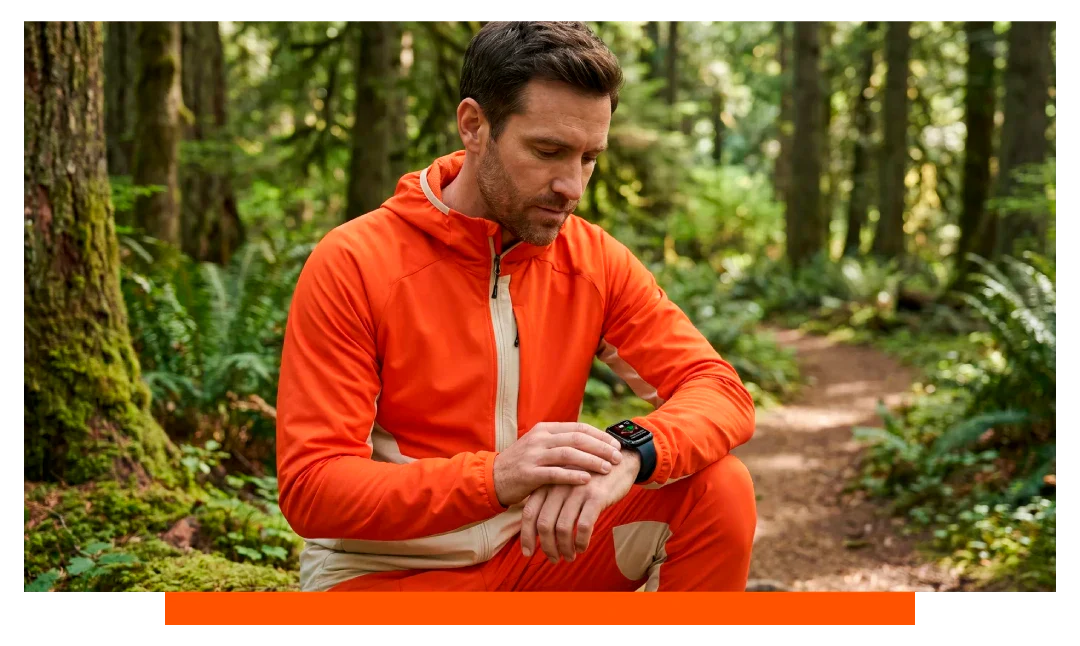
Your smartwatch translates optical and motion signals into practical guidance. Metrics like heart rate, HRV, VO2 max, sleep stages, SpO2, temperature, and stress scores estimate effort, recovery, and readiness - not medical diagnoses, but powerful trend indicators when interpreted consistently and in context.
The core metrics at a glance
Heart rate and resting heart rate
Instant heart rate shows beats per minute during rest, activity, or stress. Resting heart rate typically sits around 52-75 bpm for adults, with trained endurance athletes often 40-55 bpm. A week to week rise of 5-10 bpm can flag fatigue, illness, or overtraining.
Heart rate variability HRV
HRV reflects the variation between beats, a window into autonomic balance. Daily values commonly range 20-150 ms depending on age, training status, and measurement method. Watch overnight HRV trends - multi day drops often mean poor recovery or high stress.
VO2 max explained
VO2 max estimates your peak oxygen use per kg per minute. Many adults land around 30-45 ml kg min, while highly trained endurance athletes may exceed 60-75 ml kg min. Expect slow movement in this score - meaningful changes often take 6-12 weeks of training.
SpO2 and respiratory rate
Blood oxygen saturation typically reads 95-100 percent at sea level. Persistent values below 92-94 percent at rest warrant medical attention, especially with symptoms. Respiratory rate usually sits near 12-20 breaths per minute, rising during illness, altitude, or anxiety.
Skin temperature and cycle insights
Wrist temperature deviation shows night to night changes relative to your baseline. Shifts of 0.1-0.3 C commonly reflect recovery status, illness onset, or menstrual cycle phases. Apple Watch 11 tracks nightly wrist temperature trends to enhance cycle predictions and recovery context.
Stress and recovery scores
Stress scores blend HRV, heart rate, and movement into a 0-100 like index. Higher stress usually pairs with lower HRV and elevated resting heart rate. Use these as trend guides rather than absolutes - aim for downward stress and upward HRV over weeks.
What heart rate zones are shown on smartwatch?
Zone definitions and benefits
Most watches categorize intensity by heart rate relative to your max or lactate threshold. Zones help structure training for endurance, speed, and recovery. Typical systems split into 5 zones aligned with distinct physiological benefits.
- Zone 1 - very easy
- Zone 2 - easy aerobic
- Zone 3 - steady tempo
- Zone 4 - hard threshold
- Zone 5 - VO2 max
Zone 2 is often 60-70 percent of HRmax and builds aerobic base with fat oxidation. Zone 3 usually hits 70-80 percent and improves muscular endurance. Zone 4 near 80-90 percent boosts lactate tolerance and sustainable speed.
How watches calculate zones
Apple Watch 11 and Samsung Galaxy Watch 8 can use age based HRmax estimates like 220 minus age or adapt to recent workouts. Fitness tests and hard intervals sharpen these estimates with better peak data. For advanced users, custom zones via threshold heart rate produce more precise training targets.
Sleep metrics decoded
Stages, latency, efficiency, and score
Watches infer light, deep, and REM sleep using motion, HR, and HRV patterns. Sleep latency is time to fall asleep, and efficiency is total sleep divided by time in bed. A nightly score summarizes quantity and quality using age matched norms.
What normal looks like
Adults often need 7-9 hours, with 15-25 percent REM and 13-23 percent deep sleep as broad ranges. Efficiency above 85 percent is commonly considered good. Day to day variance of 10-20 percent in stage time is normal.
Workout and training metrics
Pace, distance, and GPS
GPS pace error on modern watches is often 1-3 percent in open skies, growing near tall buildings or trees. Distance smoothing reduces jitter at slow speeds but may undershoot tight switchbacks. Calibrate stride length for indoor tracks and treadmills for better accuracy.
Calories and active energy
Calories combine heart rate, body size, sex, age, and motion to estimate energy cost. Expect 10-25 percent error, narrower during steady cardio and wider in strength or stop start sports. Focus on trend lines rather than single workout totals.
Body composition on Samsung
Samsung Galaxy Watch 8 offers a wrist BIA estimate of body fat, skeletal muscle, and water balance. Results correlate directionally with smart scales but can vary with hydration and electrode contact. Use it to track multi week trends, not clinical numbers.
How accurate are smartwatch health metrics?
What the research suggests
Optical heart rate is typically within 2-5 bpm at rest and within 3-7 bpm during steady cardio. High intensity intervals and wrist movement increase error to 5-10 bpm. Sleep staging agreement with polysomnography commonly lands near 65-80 percent, with total sleep time more accurate than stage splits.
Sources of error to expect
Darker tattoos, loose straps, cold skin, and bouncy activities degrade optical signals. VO2 max is an algorithmic estimate whose error narrows when you supply accurate max heart rate and threshold values. SpO2 can drift at altitude and with poor sensor contact - repeat measurements when calm and still.
Best practices to improve accuracy
- Wear one finger above wrist bone
- Keep strap snug during workouts
- Warm up before intervals
- Update weight and max HR
- Record outdoor calibration runs
Smartwatch health metrics quick guide
| Metric | What it measures | Typical range | When to worry |
|---|---|---|---|
| Resting heart rate | Baseline cardiovascular load | 52-75 bpm adults | Rise 5-10 bpm week |
| HRV | Beat to beat variation | 20-150 ms nightly | Multi day downward trend |
| VO2 max | Cardiorespiratory fitness | 30-45 ml kg min | Steady decline over months |
| SpO2 | Blood oxygen saturation | 95-100 percent | Below 92-94 percent |
| Respiratory rate | Breaths per minute | 12-20 bpm | Persistent elevation at rest |
| Skin temperature | Nightly deviation | 0.1-0.3 C shifts | Large, sustained increase |
| Sleep efficiency | Sleep time in bed | Above 85 percent | Persistent under 80 percent |
Device specifics
Apple Watch 11 highlights
Apple Watch 11 offers all day heart rate tracking, ECG app for single lead rhythm checks, and SpO2 spot readings. Wrist temperature trends support cycle tracking and illness detection context. Fitness metrics include heart rate zones, pace alerts, elevation, and route maps for supported activities.
Samsung Galaxy Watch 8 highlights
Samsung Galaxy Watch 8 features the BioActive sensor for heart rate, SpO2, and stress, plus ECG and blood pressure in eligible regions. Its BIA estimates body fat and skeletal muscle for longitudinal tracking. Advanced running metrics like vertical oscillation and contact time refine training analysis.
Making sense of trends
Daily vs weekly views
Single day spikes often reflect poor sleep, caffeine, or stress and should not drive big decisions. Weekly medians and 28 day trends better capture your true baseline. Align harder sessions to days with higher HRV and lower resting heart rate.
When to rest or push
Green light patterns include stable resting heart rate, rising HRV, and good sleep efficiency. Yellow flags include resting heart rate up 5-10 bpm and HRV down 10-20 percent over several days. Red flags layer low SpO2, feverish temperature deviation, and poor sleep - schedule recovery.
Accessory and fit tips
Comfort, security, and signal quality
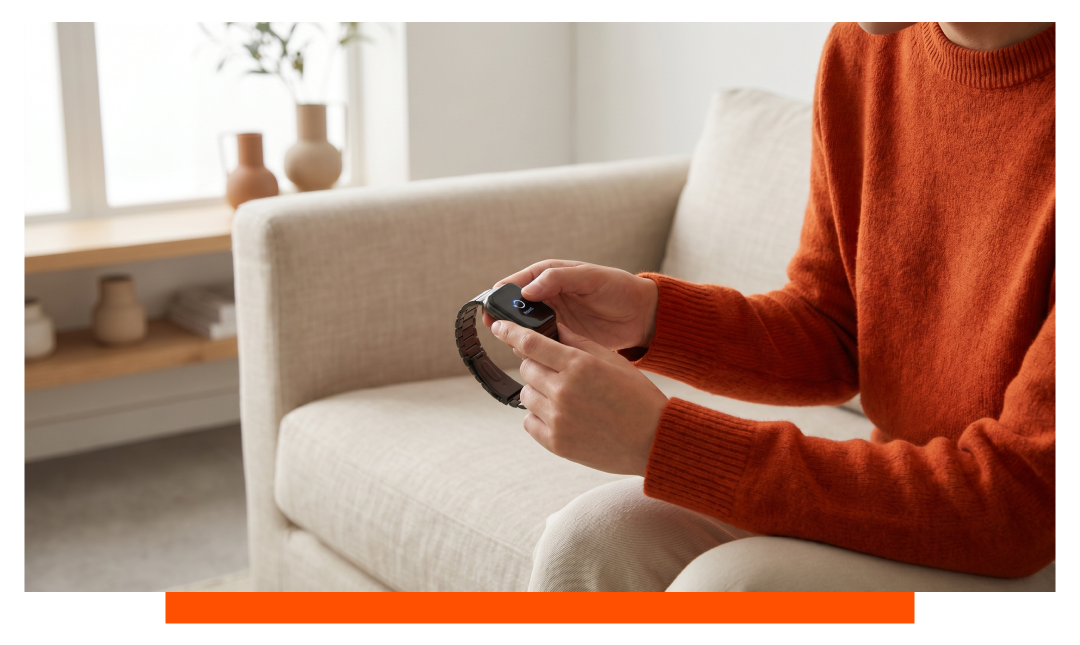
A snug, breathable band improves optical contact and comfort during sweaty intervals. Swap to sport loops or fluoroelastomer before hard sessions to reduce bounce and light leak. For style and function, explore Apple Watch straps and accessories that keep sensors stable without pinching.
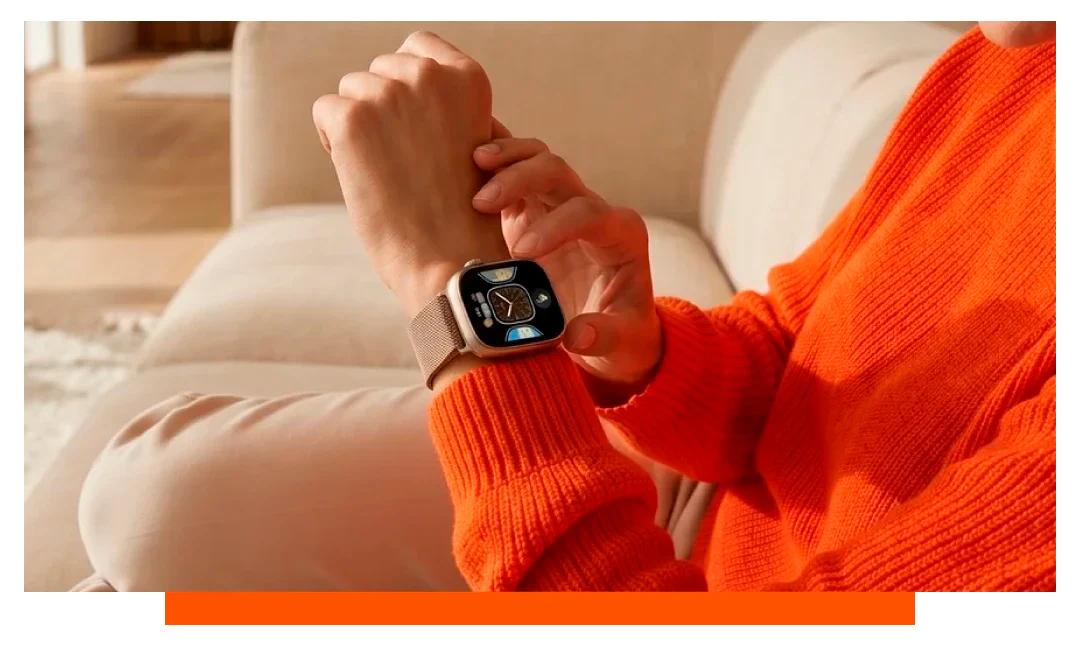
You can refresh your look with Apple Watch straps, and enhance charging or protection with Apple Watch accessories. Proper fit reduces missed beats and data gaps. Clean the sensor glass weekly to remove sunscreen and lint.
Frequently asked questions
Can my watch diagnose medical conditions?
No - it provides wellness insights, not medical diagnoses. ECG and irregular rhythm notifications can prompt medical follow up. Always consult a clinician for symptoms or persistent abnormal readings.
Why does heart rate spike during strength training?
Isometric effort, breath holding, and wrist flexion distort optical signals. Expect transient over or under reads during lifts. Use set timers and RPE for strength sessions.
How do altitude and heat affect metrics?
Altitude lowers SpO2 and raises heart rate until acclimation over 3-14 days. Heat drives higher heart rate and cardiac drift at the same pace. Adjust zones and hydration when conditions change.
Should I wear my watch to bed?
Yes if you want sleep and recovery metrics. Nighttime HRV and temperature trends are most stable during sleep. Top up battery before bedtime to avoid gaps.
Conclusion
Smartwatch health metrics translate light, motion, and electrical signals into interpretable numbers about effort, recovery, and readiness. Read them as trends, not absolutes, and pair context with consistent wear for the clearest picture. In short, they mean actionable guidance to train smarter, sleep better, and manage stress with data you can use.


Leave a comment
All comments are moderated before being published.
This site is protected by hCaptcha and the hCaptcha Privacy Policy and Terms of Service apply.